Team members
Biology of ciliated epithelia
Our goal is to elucidate the molecular and cellular mechanisms underlying the assembly and function of ciliated epithelia in vertebrates
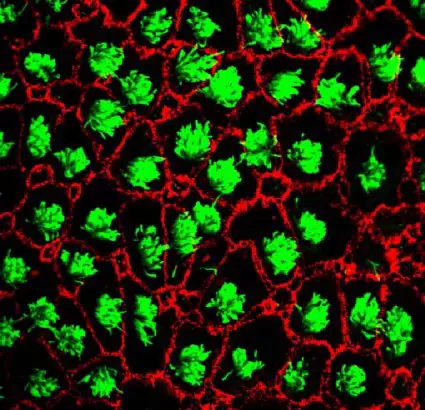
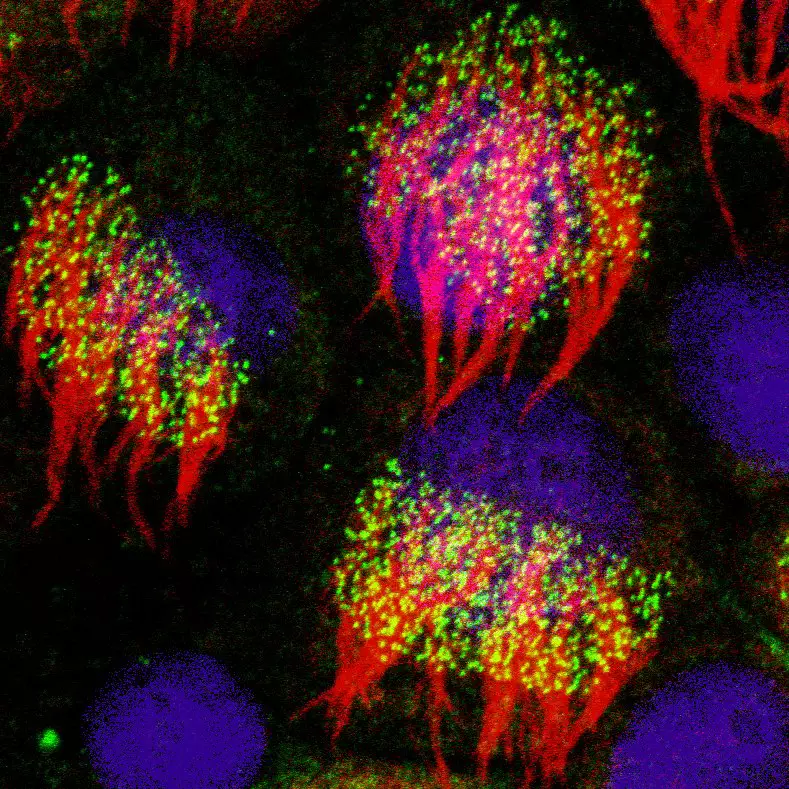
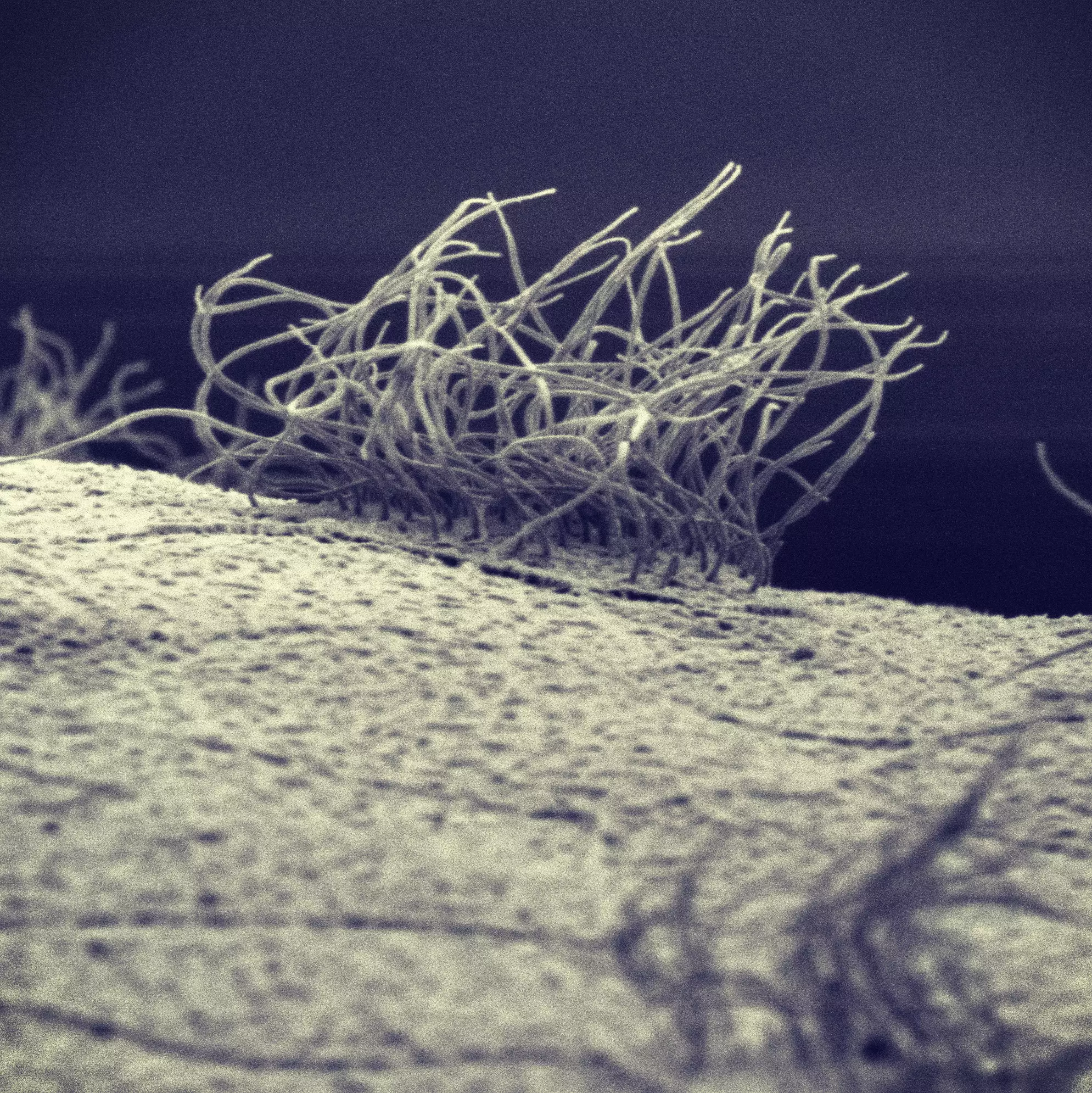
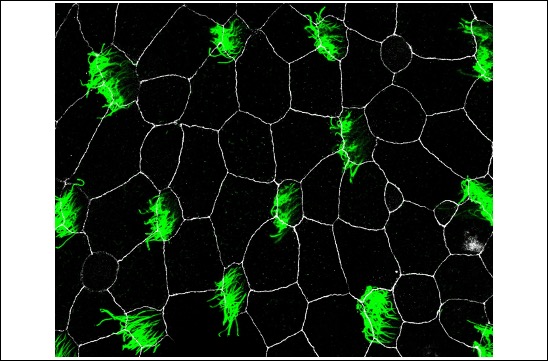
In all vertebrates, specialized ciliated tissues are covered with cells harboring dozens of motile cilia, beating coordinately to generate directional fluid flow. Multiciliated cells help airway cleansing, ovum implantation and cerebrospinal fluid circulation.
Thus, several human pathologies caused by ciliary defects are characterized by chronic respiratory distress, brain abnormalities and reduced fertility. However, the biology of multiciliated cells remains poorly understood, due to the paucity of accessible in vivo models. Our team studies the embryonic skin of the amphibian Xenopus laevis, which is proving very powerful to reveal molecular and cellular principles of multiciliogenesis conserved with humans.
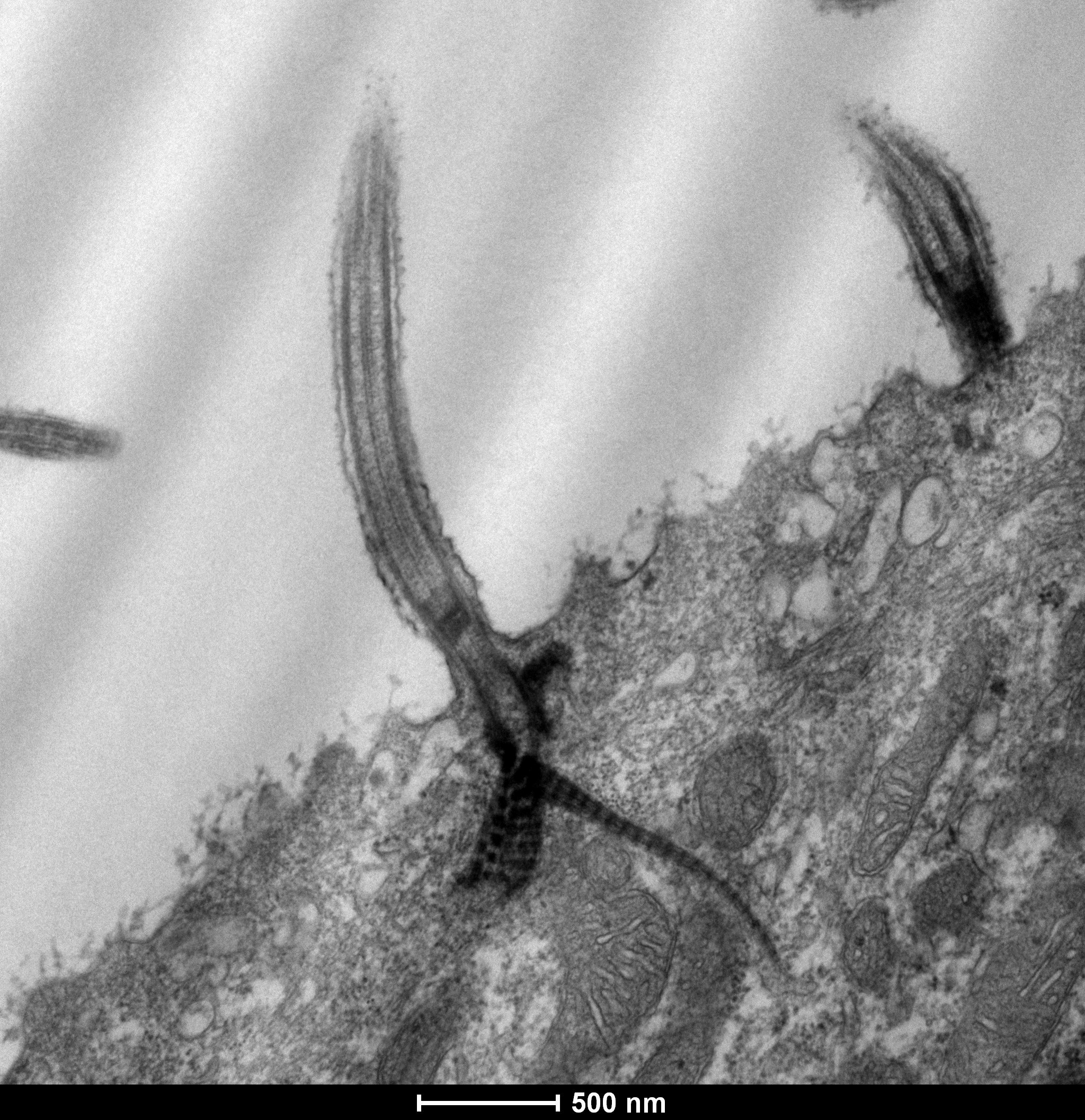
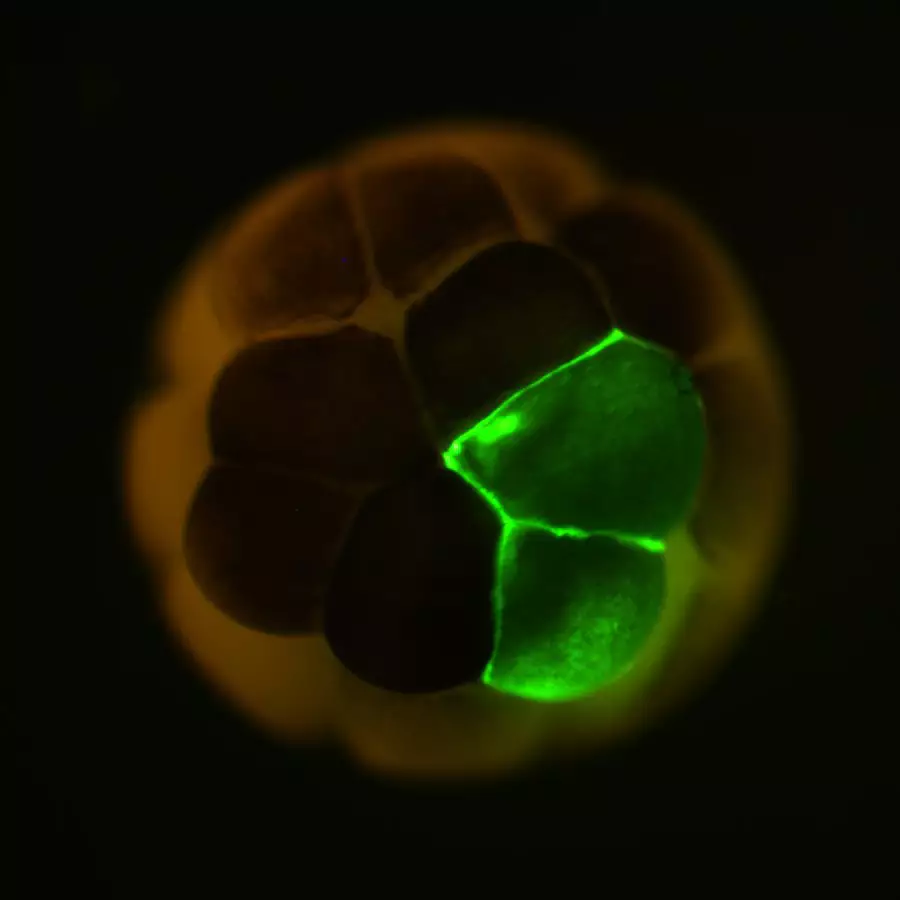
The Xenopus laevis embryo is easily amenable to manipulation of protein-coding genes as well as non-coding RNAs (microRNAs, long non coding RNAs) through micro-injection of mRNA constructs or antisense morpholinos, from the time of fertilization. The ciliated epidermis is particularly suited for functional analysis as it can be targeted specifically and lies at the surface of the embryo, which facilitates light and electron microscopy imaging. This tissue can also easily be exposed to pharmacological compounds and recombinant proteins at various stages of its development, and subjected to transgenesis to trace and manipulate the various cell types that compose it.
Publications
Protocol for tissue expansion microscopy for ultrastructure expansion of Xenopus embryos
Lineage commitment of embryonic cells involves MEK1-dependent clearance of pluripotency regulator Ventx2.
Xenopus embryonic epidermis as a mucociliary cellular ecosystem to assess the effect of sex hormones in a non-reproductive context.
Neural induction in Xenopus requires early FGF signalling in addition to BMP inhibition.
News
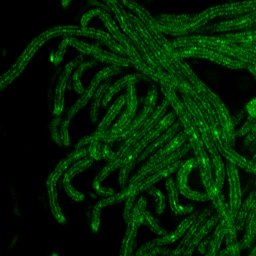
Make it bigger to see it better!
New protocol development for expansion microscopy on Xenopus samples.
Congratulations to Laurent and his team “Biology of Ciliated Epithelia”!

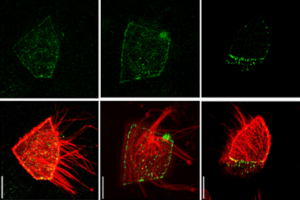
Lost in translation: Vangl2 short and long
Translation starts with a Methionine: True, but not always, as revealed in a study of the PCP component Vangl2.
Join the IBDM for your internship!
Seeking for your Master internship? The IBDM seems like the right place to do it? Check out our offers.
Thesis Prize from the French Society for Developmental Biology (SFBD) for Alexandre CHUYEN
Alexandre CHUYEN, who did his doctoral thesis under the supervision of Andrea Pasini in the Kodjabachian team, was awarded the 2021 Thesis Prize from the SFBD.
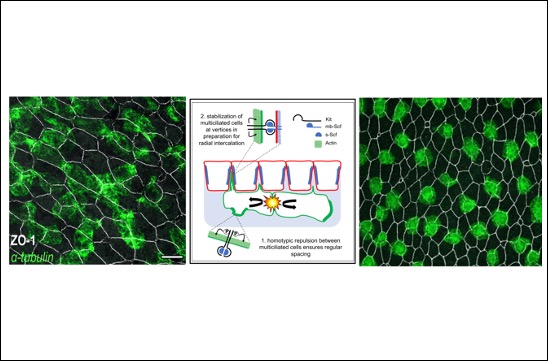
Social distancing : Cells show the way !
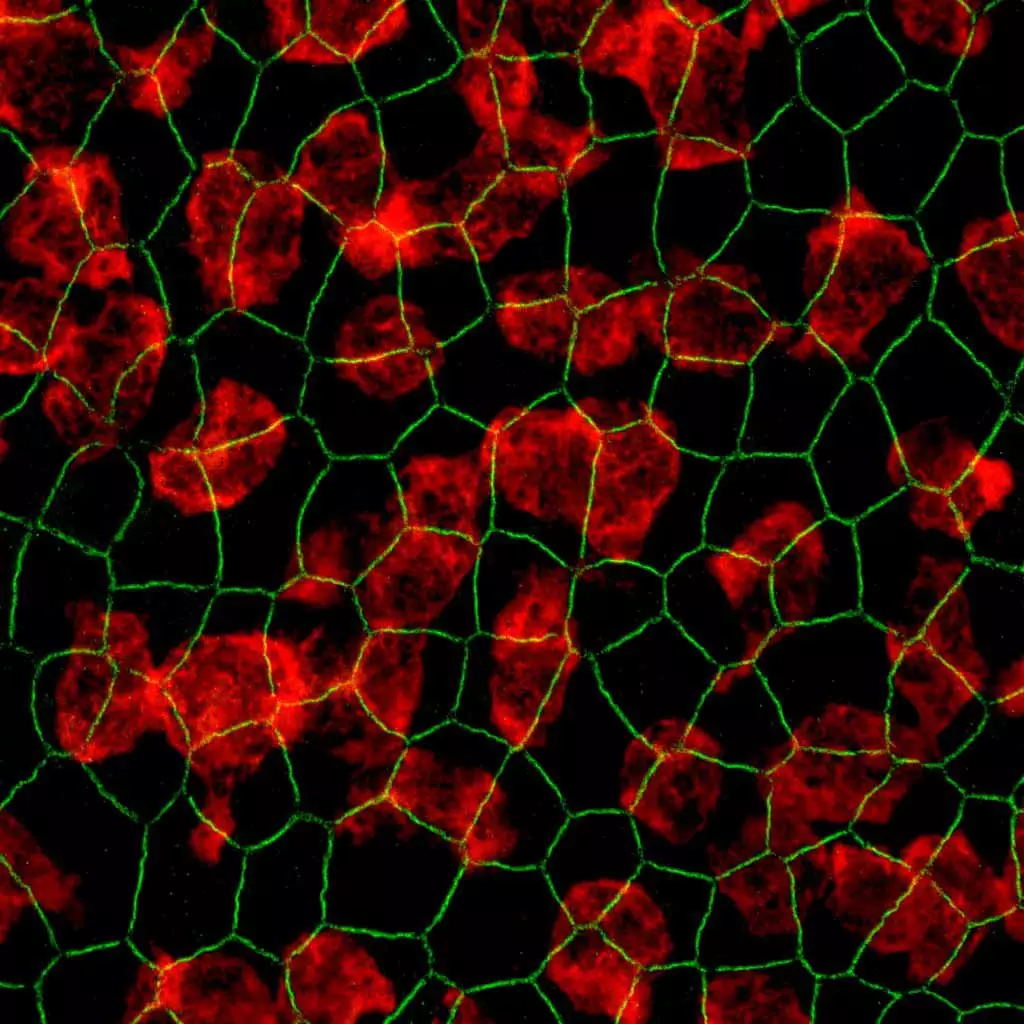
A study published in Developmental Cell by the Kodjabachian team reveals how multiciliated cells are distributed at regular intervals in the Xenopus embryonic epidermis.
The selected candidate will receive training in the following areas: molecular biology, cell biology, Xenopus micro-injection and micro-surgery, fluorescent confocal microscopy, video-microscopy, numerical image analysis.
Lab members
Alumni
Funding bodies