Congratulations on this achievement!
Discover how members of our community are making an impact outside the walls of the institute through public outreach and creative initiatives.

We’re pleased to share some great news about our researchers’ achievements! Several projects from our teams have been selected for funding by the ANR and FRM, highlighting their hard work and innovative research.
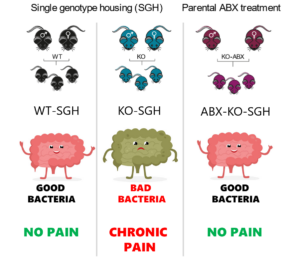
Chronic pain starts from the gut
Alterations in gut microbiota composition promotes chronic somatic pain in Myosin1a-deficient male mice.
The IBDM spin-off rewarded for its innovation in a non-opioid biologic drug for pain relief.

Several awards for IBDM members !
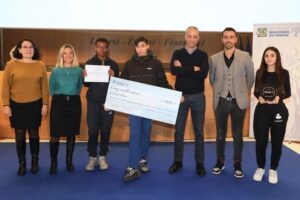
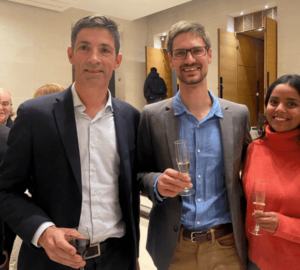
Congrats to Aziz Moqrich, Sophie Chauvet and Stefan Harmansa.
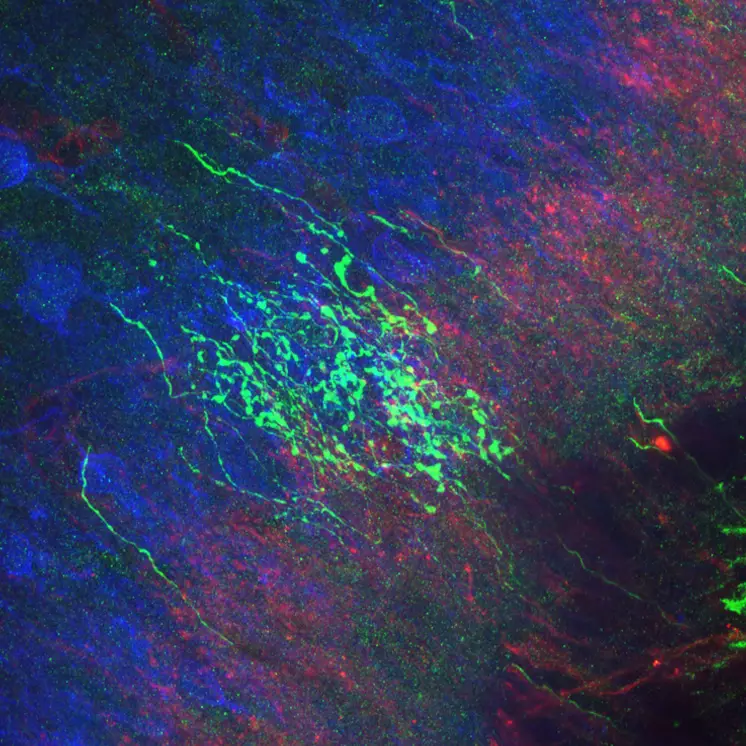
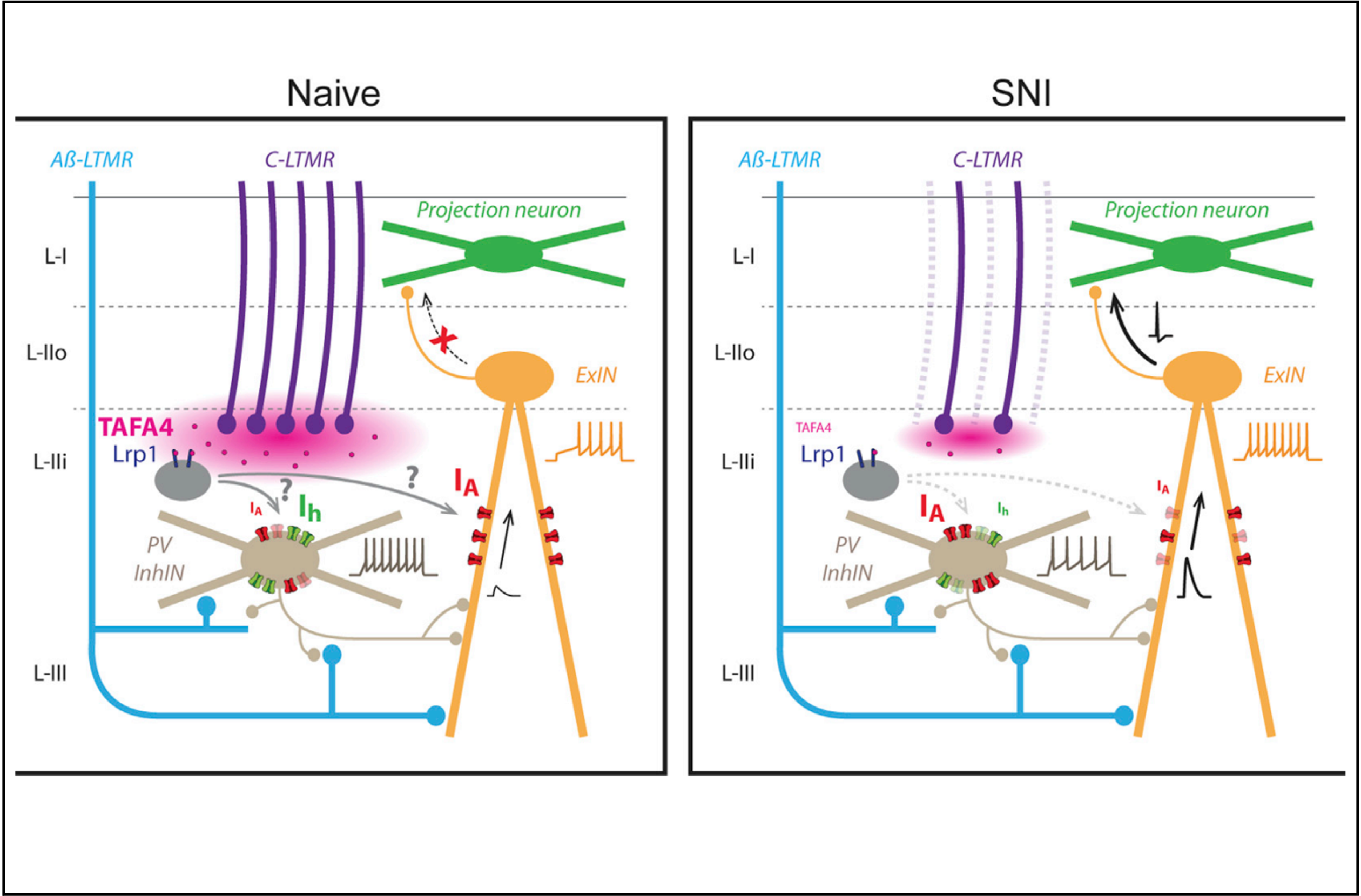
Our findings provide mechanistic insight into the mechanism by which TAFA4 reverses injury-induced mechanical hypersensitivity, by restoring normal spinal neuron activity, and highlight the considerable potential of TAFA4 as a treatment for injury-induced mechanical pain.
Ardem Patapoutian, shares the honours of his Nobel Prize with his former post-docs and students
Ardem Patapoutian shares the honours of his Nobel Prize with his former post-docs and students including Aziz Moqrich, Chronic pain : Molecular and cellular mechanisms
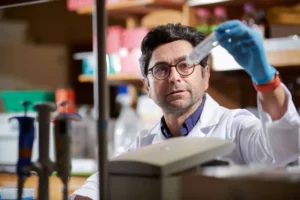
Tafalgie Therapeutics is a new start-up company created in November 2020, based on the work of Aziz Moqrich’s team “Chronic pain: cellular and molecular mechanisms” at IBDM.

Loss of bhlha9 impairs thermotaxis and formalin-evoked pain in a sexually dimorphic manner
In their study published in Cell Reports, Bohic et al. confirm the role of C-LTMRs in inflammatory pain modulation by inactivating the transcription factor bhlha9 particularly enriched in these touch neurons.
Required: MSc in physics, biophysics, acoustics, molecular or cellular biology, neurosciences or a related discipline.