New Competitive Grants for IBDM Researchers!
Congratulations to Harold Cremer, Julia Schaeffer, Andrea Pasini and Virgile Viasnoff.
Promotions 2025!
Celebrating the accomplishments of IBDM members.
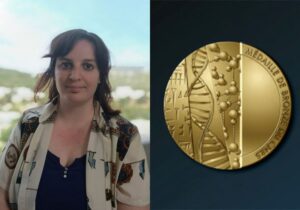
A distinction that rewards a promising and already fruitful scientific career.
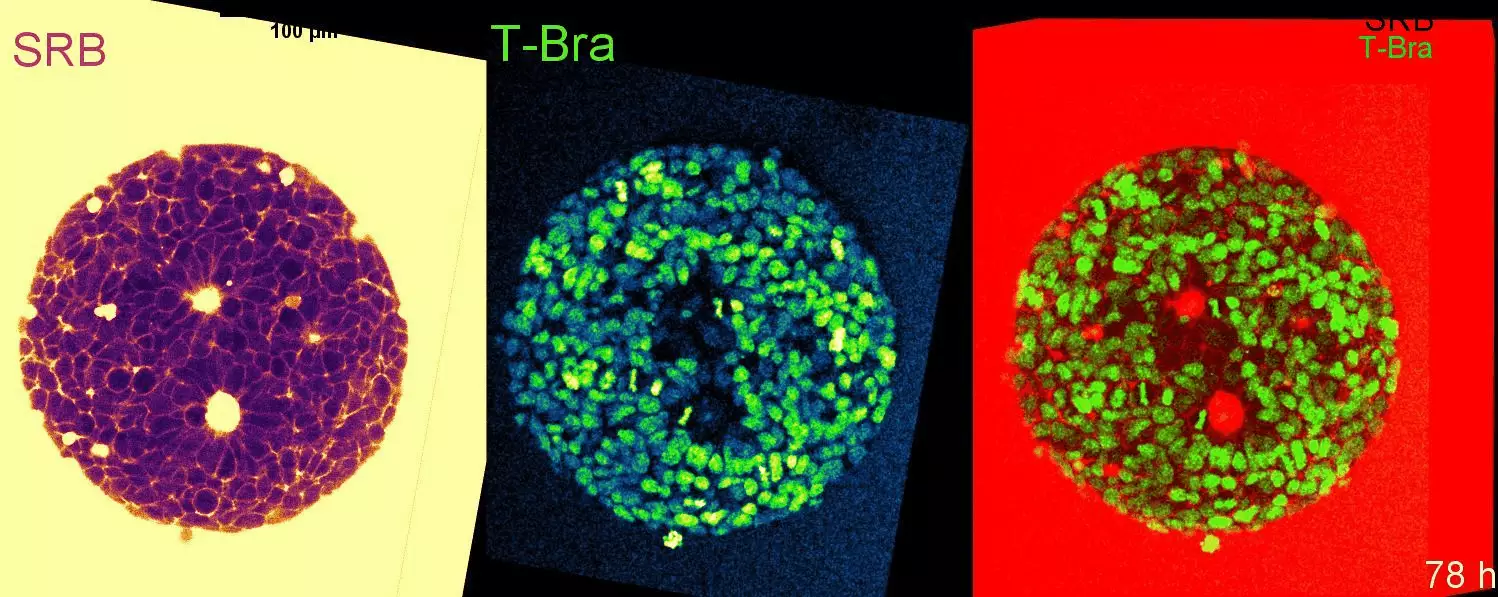
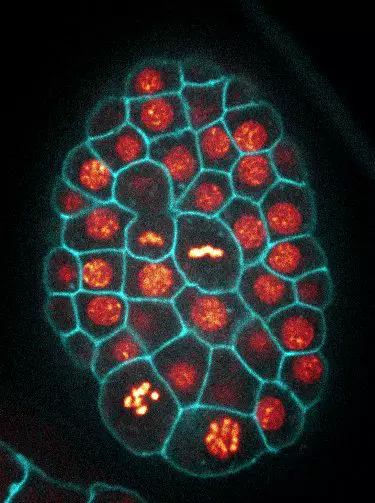
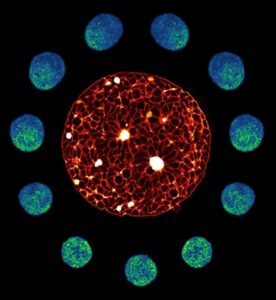
New insights into cell self-organization mechanisms in gastruloids.
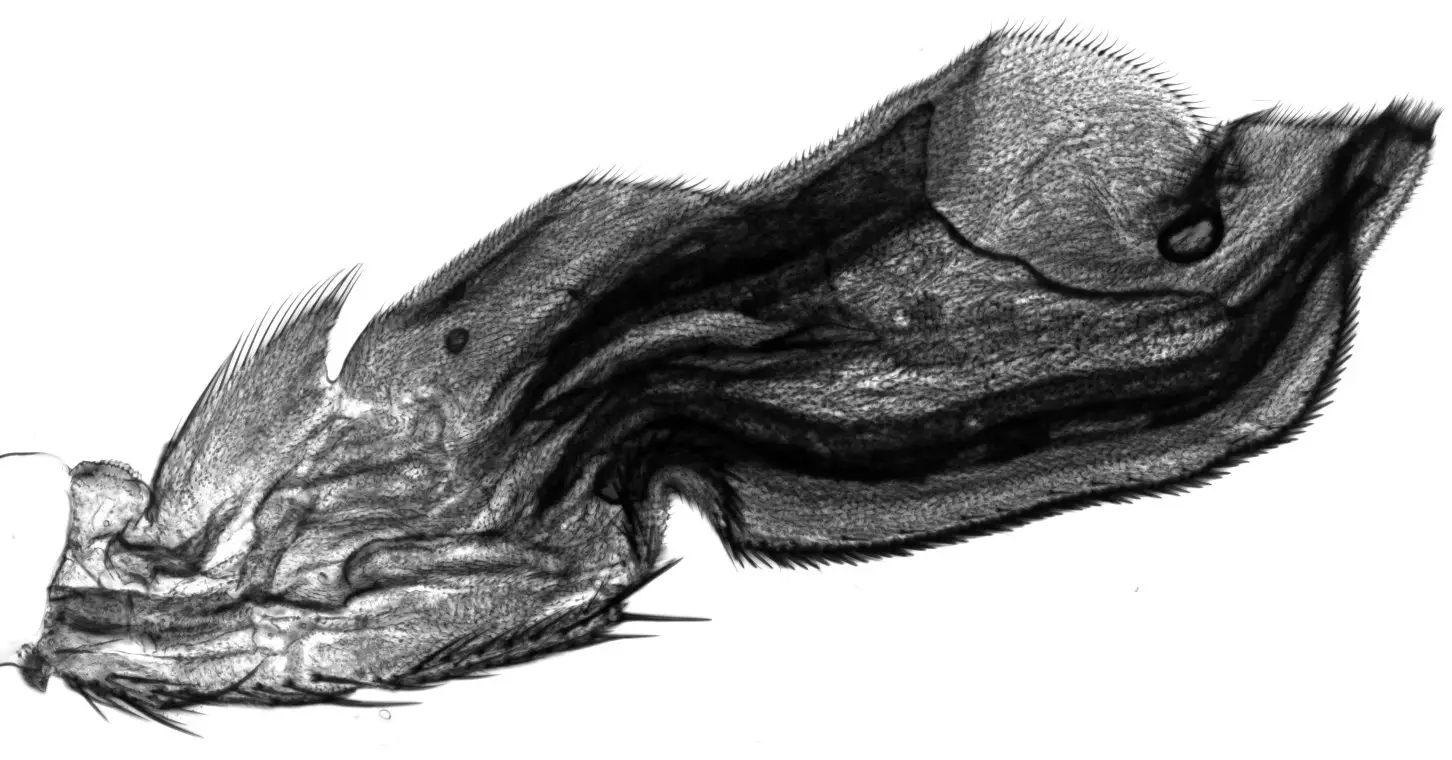
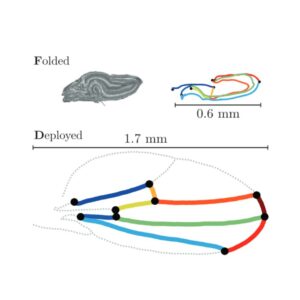
How insects deploy their wings
A pressure increase leads to both unfolding and expansion of the wing upon pupal emergence.
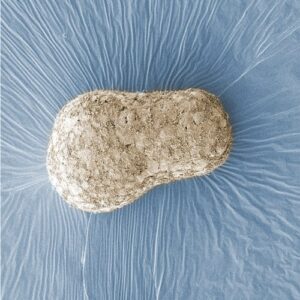
Pierre-François Lenne focuses on gastrulation, an essential stage in the creation of the first tissues.
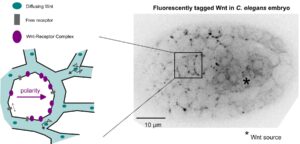
And yet it diffuses!
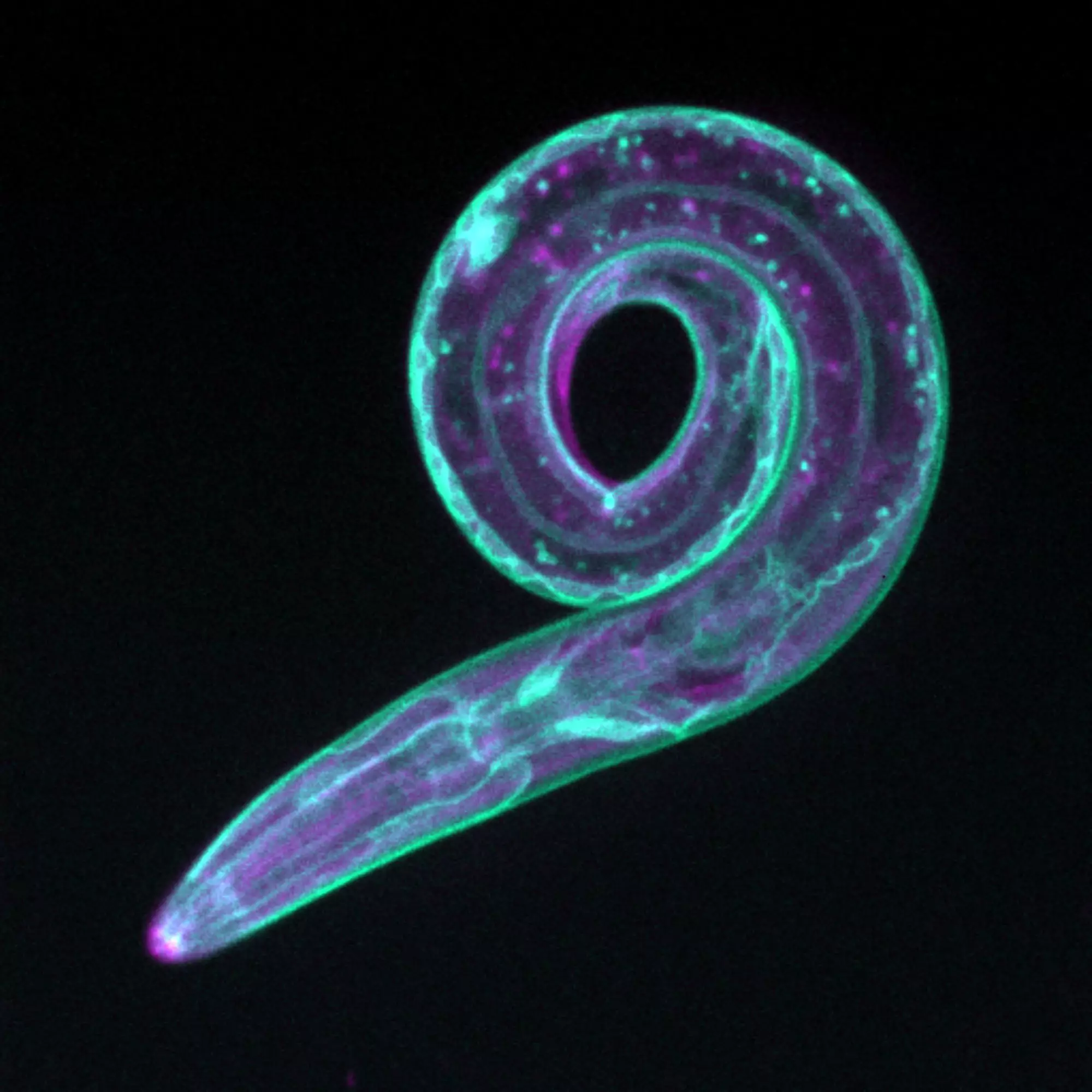
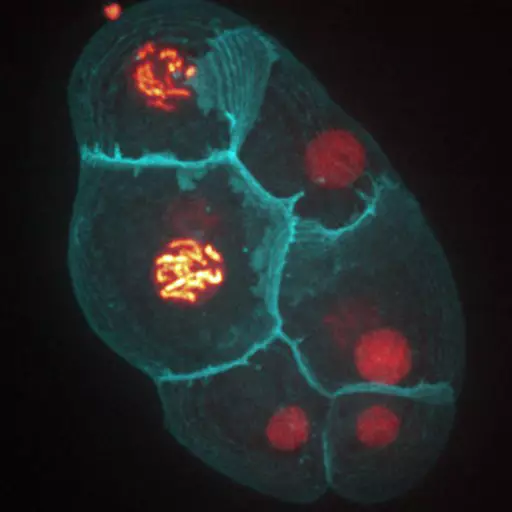
Free diffusion of Wnt ligands can polarize target cells at distance in C. elegans embryos.
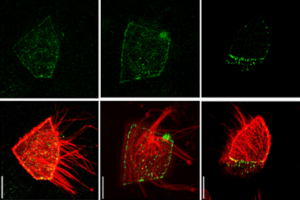
Lost in translation: Vangl2 short and long
Translation starts with a Methionine: True, but not always, as revealed in a study of the PCP component Vangl2.
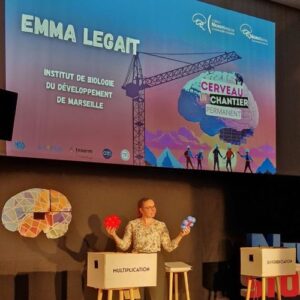
The brain: a permanent work in progress
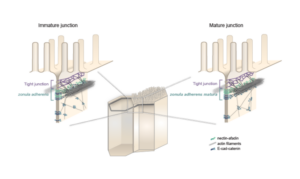
Lenne and Le Bivic teams show that intestinal adherens junctions are very different from the textbook picture.
IBDM inspires schoolchildren
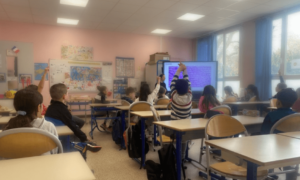
IBDM Marseille inspires young minds: engaging primary school children on childhood cancer (“Contre le cancer, j’apporte ma pierre”) and interacting with high school students through immersive experiences (DECLICS).
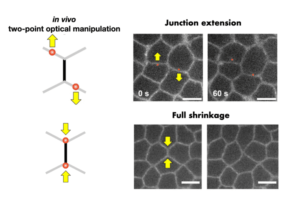
Epithelial tissues under tension: a study explores how individual cells deform and respond to forces.
Lenne group, together with 3 other groups, Merkel (CNRS), Trivedi (EMBL), and Ruprecht (CRG) – embark on BREAKDANCE
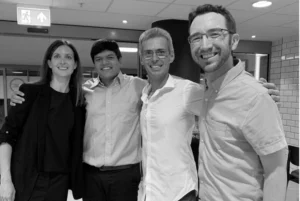
Organizing the organizers
A new perspective to tackle the very complex cell polarity field.
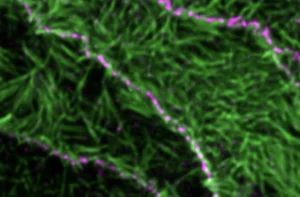
Self-organisation of human muscles in a dish
Human muscle cells self-organise into defined fiber bundles in vitro even without the presence of external cues !
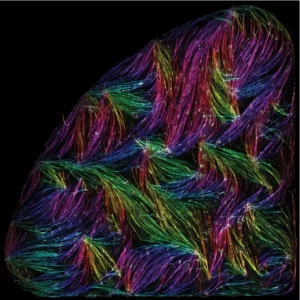
Cell-state transitions and collective cell movement generate an endoderm-like region in gastruloids
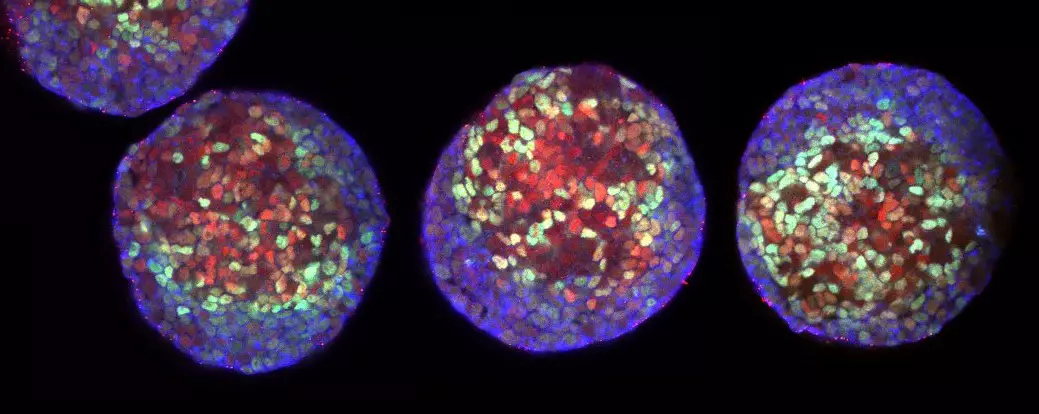
The Lenne team published in Elife: using gastruloids –3D aggregates of mouse embryonic stem cells- they study at cellular resolution the specification of the endoderm.
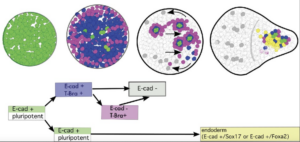
7 IBDM teams have received grants from ANR
7 IBDM teams have received grants from the Agence Nationale pour la Recherche (ANR) in 2021. Congratulations to Vincent Bertrand, Harold Cremer, Pascale Durbec, André Le Bivic, Pierre-François
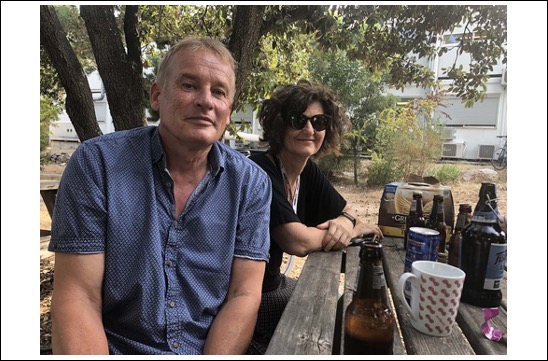
Pierre-Francois Lenne elected as EMBO member
Heidelberg, 7 July 2020 – EMBO has bestowed upon 63 leading scientists the lifetime honour of EMBO Membership in recognition of their remarkable achievements in the life sciences, it was announced today.
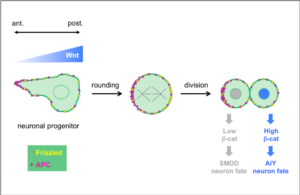
In a collaborative study published in Development, the teams of Vincent Bertrand and Pierre-François Lenne analyze the role played by Wnt ligands in the divisions that generate neurons during nervous system development.
Embryo development like a stadium wave
In a recent study appeared on the international journal Nature, Thomas Lecuit and his colleagues at the Institut de Biologie du Développement de Marseille describe how tissue shape changes are self-organized.