
Mechanisms of gene regulation by transcription factors
We explore the transcription regulatory mechanisms that govern genome regulation at the interface of transcription factors, chromatin proteins and the transcription machinery, framing findings in developmental processes.
Gene regulation is central to cellular destiny and heavily relies on the activity of transcription factors. Little is known about how transcription regulatory complexes assemble, how they negotiate chromatin and what underlies their functional specificity and diversity. Our projects aim at exploring the transcription regulatory mechanisms to ultimately gain insights into genome regulation. We focus on Hox transcription factors, a family of homeodomain transcription factors with key functions in development, evolution and physio-pathological processes.
Work from the team has contributed to clarify the Hox specificity paradox, by identifying the Hox intrinsic protein sequences responsible for specificity, and by discovering novel modes of interactions with the PBC class specificity cofactors. We also identified physical and functional links with chromatin proteins, including PcG and Mediator complex proteins, as well as links with the transcription pausing factor M1BP, connecting Hox protein activity to chromatin modification and to the activity of the basal transcription machinery.
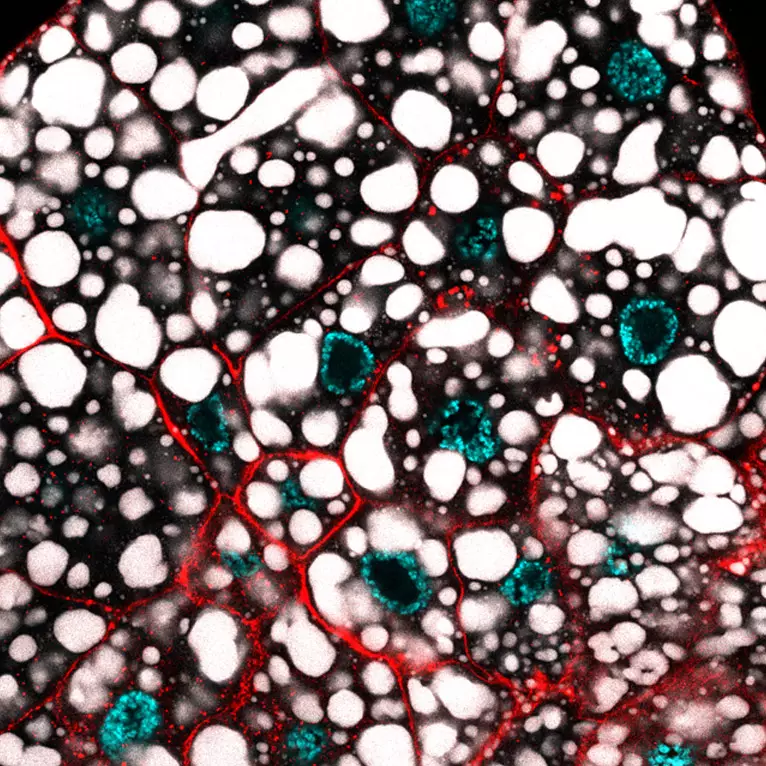
More recently, we uncovered a novel facet of Hox protein function, where Hox proteins act in a paralogue non-specific manner, a property that better suits the shared Hox biochemical properties. Our current research directions aim at investigating at the physiological level how Hox specific and non-specific functions relate to each other, by exploring Hox protein functions in two tissues, the larval fat body and adult muscle development. Work also aims at uncovering molecular principles of Hox generic functions, which have so far not been studied.
Publications
M1BP is an essential transcriptional activator of oxidative metabolism during Drosophila development
Hox Proteins in the Regulation of Muscle Development
Hox functional diversity: Novel insights from flexible motif folding and plastic protein interaction
M1BP is an essential transcriptional activator of oxidative metabolism during Drosophila development
Hox Proteins in the Regulation of Muscle Development
Fattening the perspective of Hox protein specificity through SLiMming
Post-translational modifications of HOX proteins, an underestimated issue
Hox functional diversity: Novel insights from flexible motif folding and plastic protein interaction
Guidelines for the use and interpretation of assays for monitoring autophagy (3rd edition).
Hox genes : a fertile interplay of concepts and methods.
Distinct genetic requirements for BX-C mediated specification of abdominal denticles.
Reiterative use of signalling pathways controls multiple cellular events during Drosophila posterior spiracle organogenesis.
Reptin and Pontin function antagonistically with PcG and TrxG complexes to mediate Hox gene control.
Ectopic Myf5 or MyoD prevents the neuronal differentiation program in addition to inducing skeletal muscle differentiation, in the chick neural tube
Purification and characterization of mSin3A-containing Brg1 and hBrm chromatin remodeling complexes.
Delta 1-activated notch inhibits muscle differentiation without affecting Myf5 and Pax3 expression in chick limb myogenesis
pannier acts upstream of wingless to direct dorsal eye disc development in Drosophila
Wnt and TGFbeta signals subdivide the AbdA Hox domain during Drosophila mesoderm patterning.
RING1 is associated with the polycomb group protein complex and acts as a transcriptional repressor.
News
Embark on a PhD journey at the IBDM
13 PhD projects open at IBDM for the Life Science Doctoral School Contest !
We’re pleased to share some great news about our researchers’ achievements! Several projects from our teams have been selected for funding by the ANR and FRM, highlighting their hard work and innovative research.

Recent achievements and promotions
Celebrating the accomplishments of IBDM members.

Join the IBDM for your internship!
Seeking for your Master internship? The IBDM seems like the right place to do it? Check out our offers.

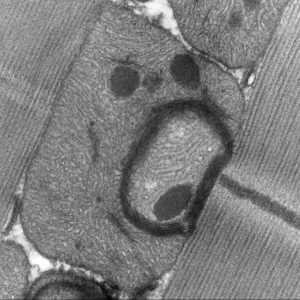
The Saurin/Graba group discover the transcription factor M1BP as new major regulator of oxidative metabolism.
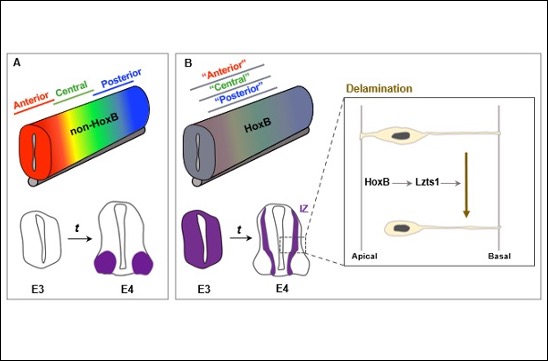
The team of Yacine Graba and Andrew Saurin identified an atypical function for HoxB genes during spinal cord development.
Embark on a PhD journey at the IBDM
13 PhD projects open at IBDM for the Life Science Doctoral School Contest ! Students interested in pursuing a PhD in developmental biology, cell biology,
How two recently discovered and oppositely acting transcriptional regulators control metabolism in the Drosophila larval fat body, with a special attention on metabolic paths linked to fat accumulation.
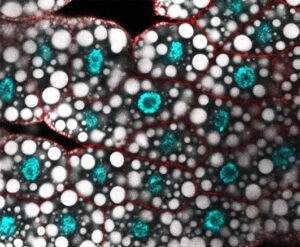
The work will investigate how transcription factor protein sequences influence LLPS, nuclear sub-compartmentalization and gene regulation during development.
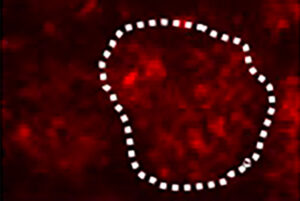
The project aims at uncovering the molecular and cellular bases for Ubx and AbdA distinct motif usage.
The M2 project will use state-of-the-art genomics profiling techniques, Drosophila genetics, imaging and molecular biology for studying the antagonistic transcriptional control and dysfunction of fat body lipid metabolism development.
The M2 project will use state-of-the-art genomics profiling techniques, Drosophila genetics, imaging and molecular biology for studying muscle development.
Team members
Alumni
Funding bodies