News
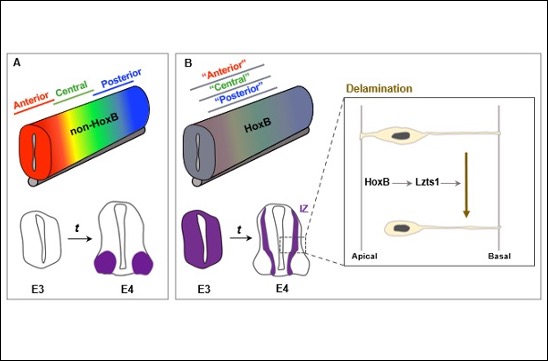
Identification of a generic function for vertebrate Hox proteins in the neural tube
The team of Yacine Graba and Andrew Saurin identified an atypical function for HoxB genes during spinal cord development.

The team of Yacine Graba and Andrew Saurin identified an atypical function for HoxB genes during spinal cord development.
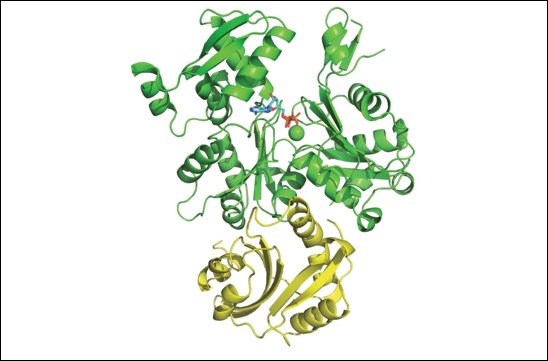
The team of Alphée Michelot, in collaboration with the team of Pekka Lappalainen (University of Helsinki) identified and characterized a family of highly sensitive fluorescent nucleotide analogues structurally compatible with actin.
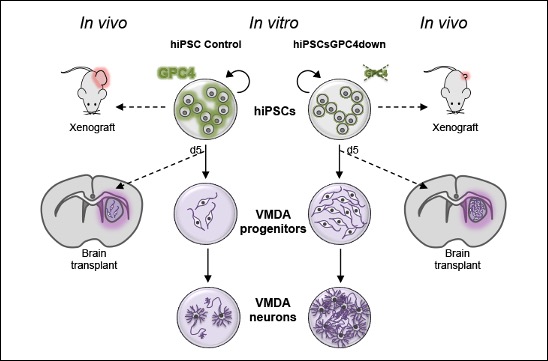
The teams of F Maina and L Kerkerian-Le Goff publish in Stem Cells Translational Medicine a work led by Rosanna Dono showing that levels of the signal modulator GLYPICAN-4 are critical for the generation of midbrain dopamine neurons from human induced pluripotent stem cells and for overcoming their tumorigenic properties.
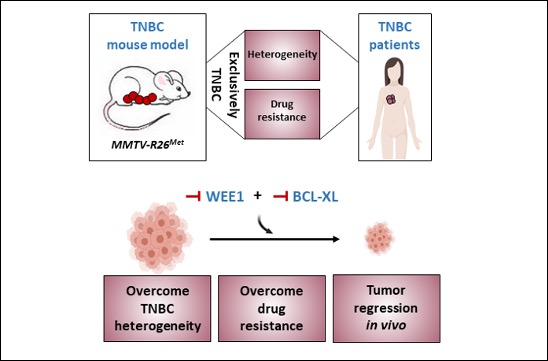
Maina Team publishes in Advanced Science the setup of a genetic system that models, in mice, the heterogeneity and primary resistance to treatment of human Triple Negative Breast Cancer (TNBC).
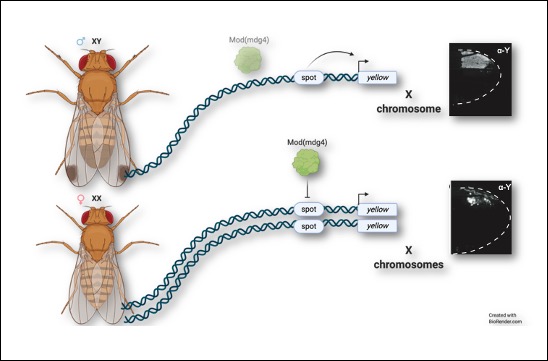
A publication from the Prud’homme team shows how the sexually dimorphic expression pattern of an X-linked gene is controlled by an interallelic interaction, a phenomenon known as transvection.

Schnorrer team and colleagues discovered that a signalling pathway, called the Hippo pathway, is controlling muscle growth during development of Drosophila flight muscles.
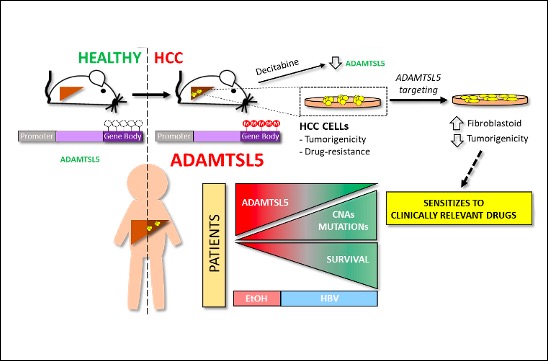
Maina Team publishes in Journal of Hepatology. The team found that ADAMTSL5 is an epigenetically activated oncogene overexpressed in a large fraction of human HCC patients and in HCC mouse models.
Benoit Aigouy, from the Prud’homme team, developed EPySeg, an open-source software that uses deep learning to segment membrane-stained epithelial tissues, from any organism, automatically and very efficiently.
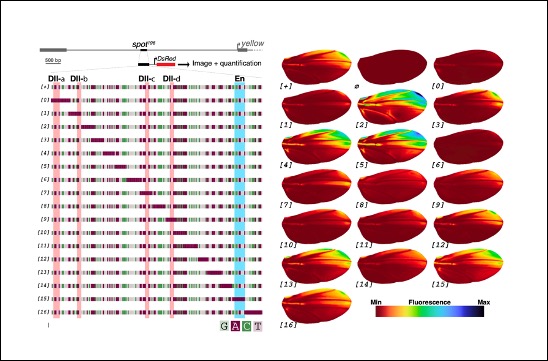
A publication from the Prud’homme team, in collaboration with the group of N. Gompel explores how the spatial pattern and quantitative regulatory information is encoded in the enhancer sequence of a developmental gene.
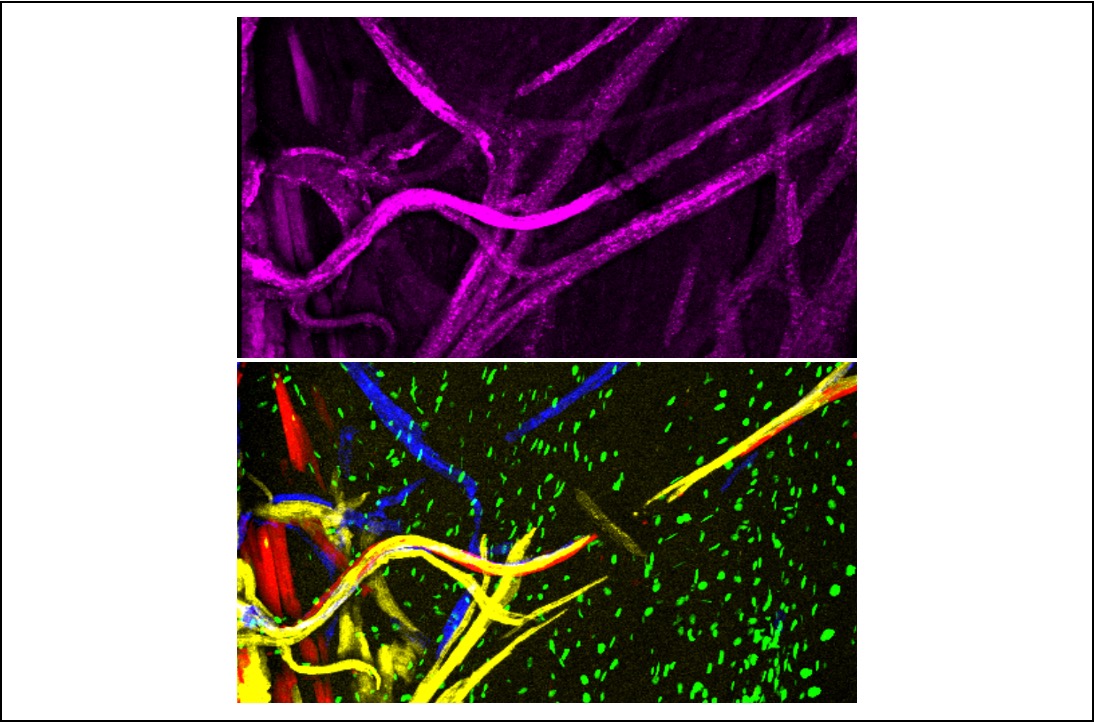
A publication from the Kelly team in Nature Communications, conducted by Caroline Choquet and Lucile Miquerol, focuses on the development of cardiac Purkinje fibers that serve as electrical cables in the ventricles to synchronize heartbeats.